
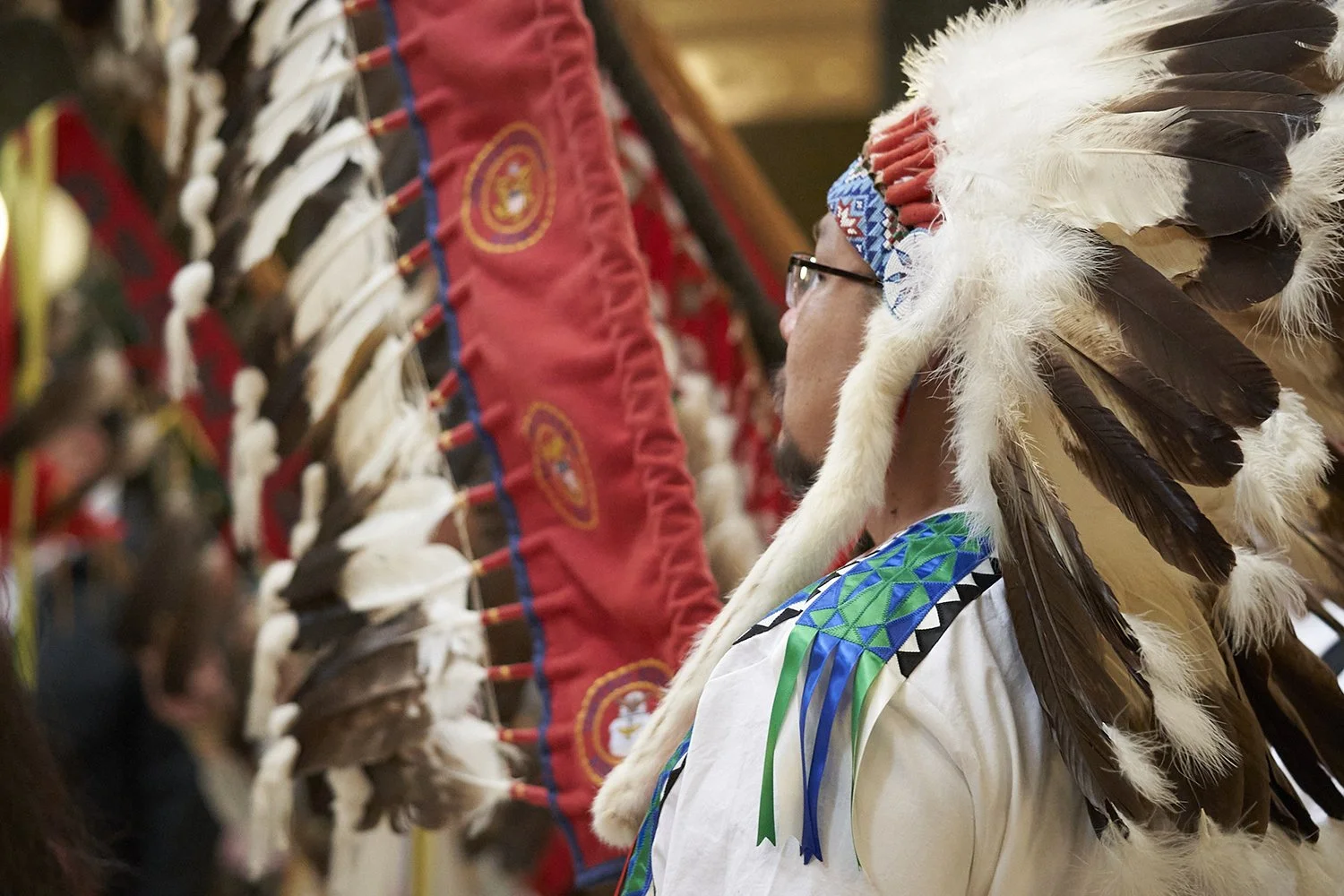
It is more important than ever before that the voices of Indigenous people are heard – our language, our wild rice, and our sovereignty depend on it.
Decisions are made in every election that will impact the course of history, the course of our history. Make sure your voice is heard by voting.
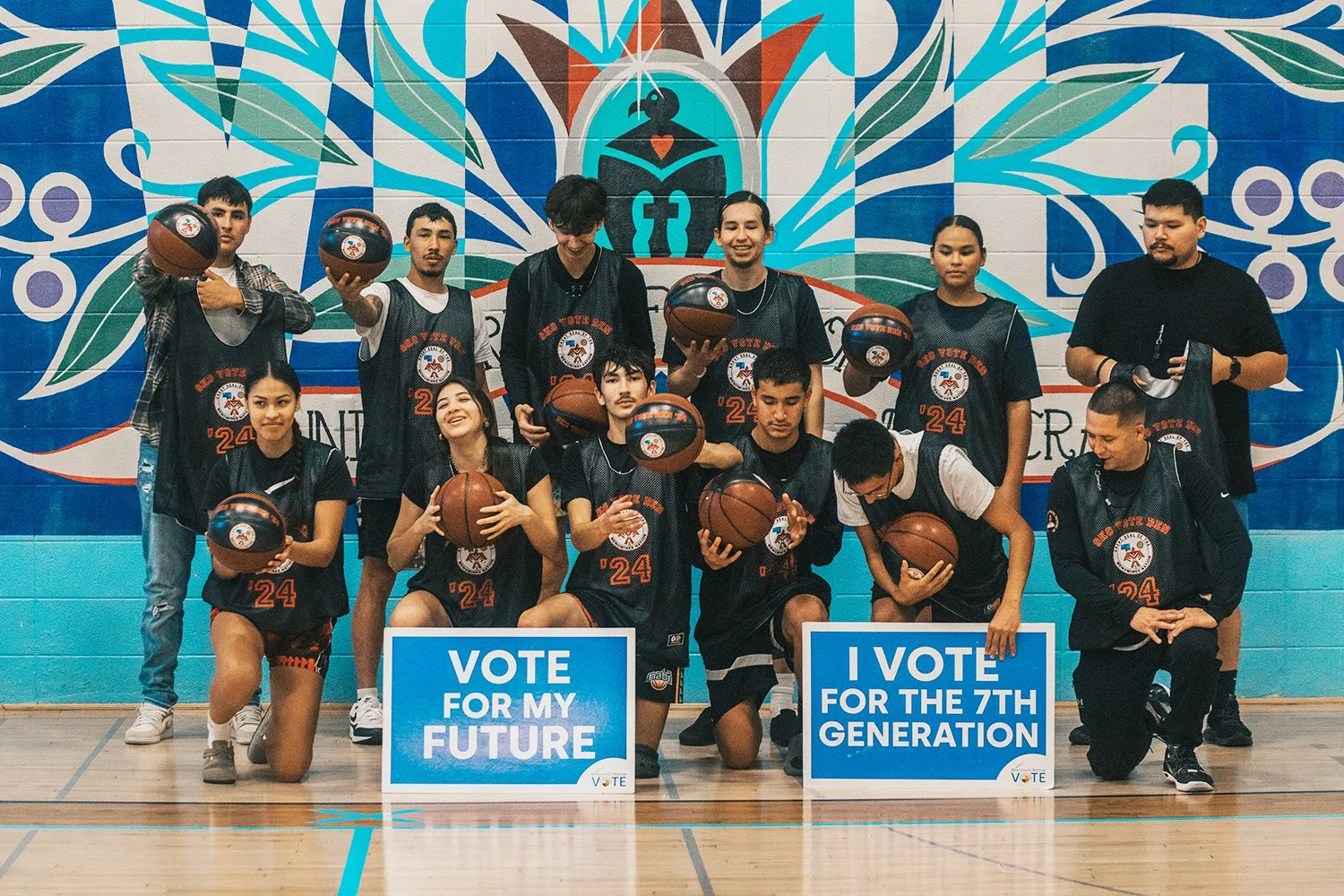
Vote for the future of our children.
Vote for the future of our planet.
Vote for the Seventh Generation.
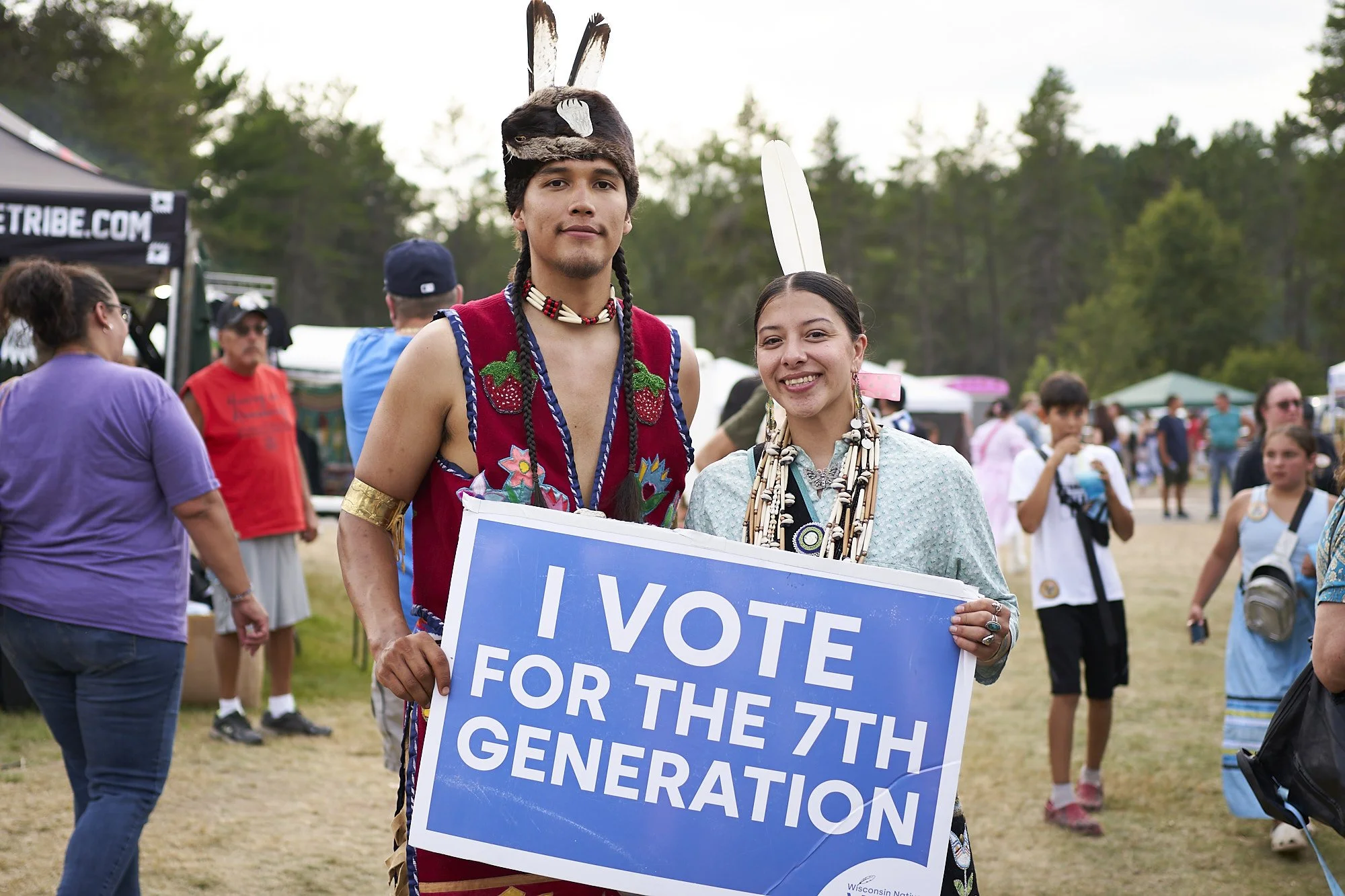

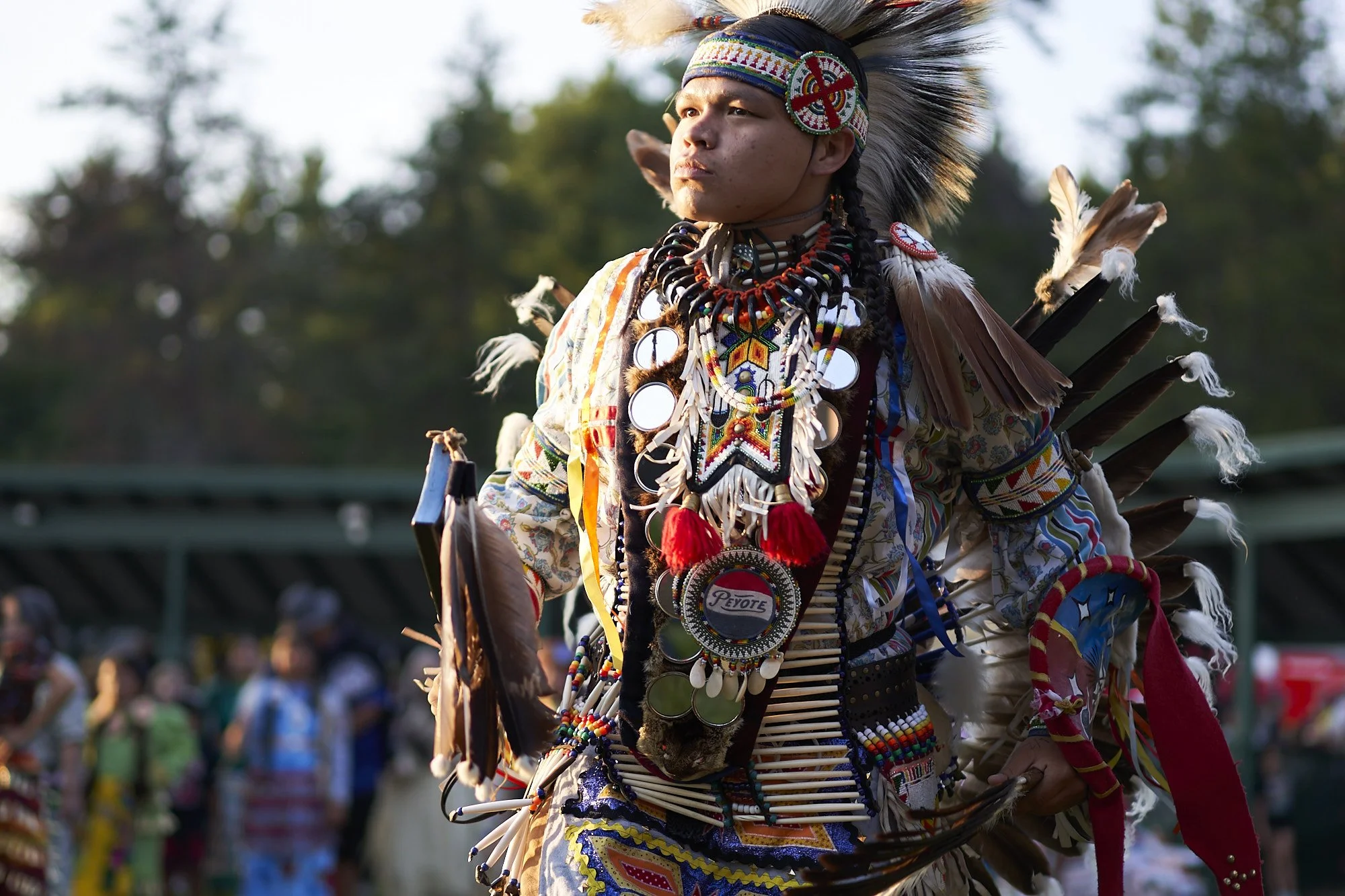

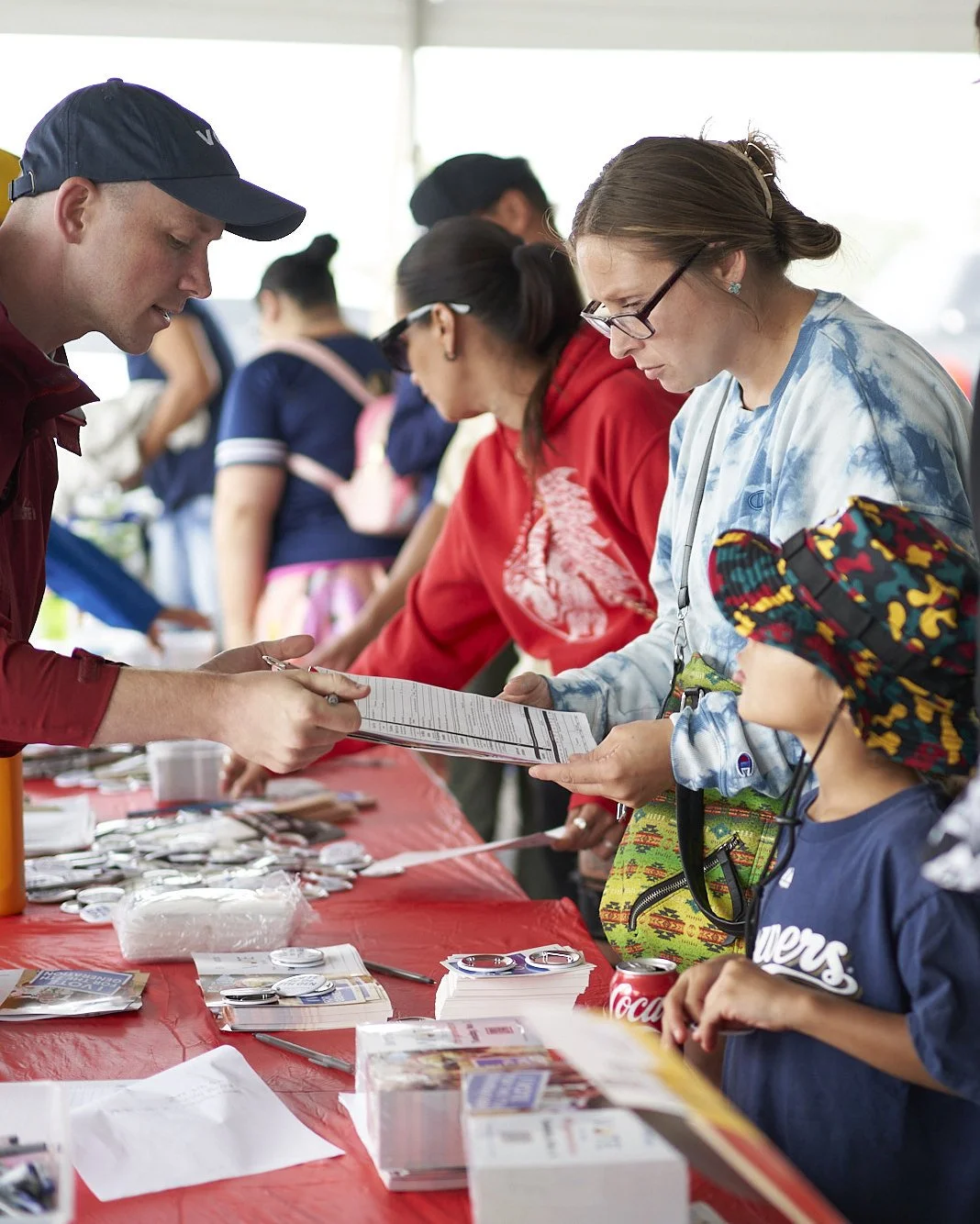

Wisconsin Native Vote works to combat historic voter disenfranchisement and contemporary barriers to voting by educating voters, registering people to vote, and working to improve policies that impact Native communities’ access to the polls.
In 2011, Wisconsin Conservation Voices worked with the Bad River Band of Lake Superior Chippewa to stop an open-pit mine proposed near their community in northern Wisconsin. That partnership turned into a highly successful nonpartisan voter engagement project that has since spread to many of Wisconsin’s Native communities.
Increasing Native voting and protecting our water.
Connect with us
To get involved or partner with us through one of the links below
Increasing on Voter Turnout
Every year, our program continues to grow – from the number of tribal nations we work with to the expanded creative ways we reach voters, and, most importantly, the trust and recognition we have built with Native people across the state.
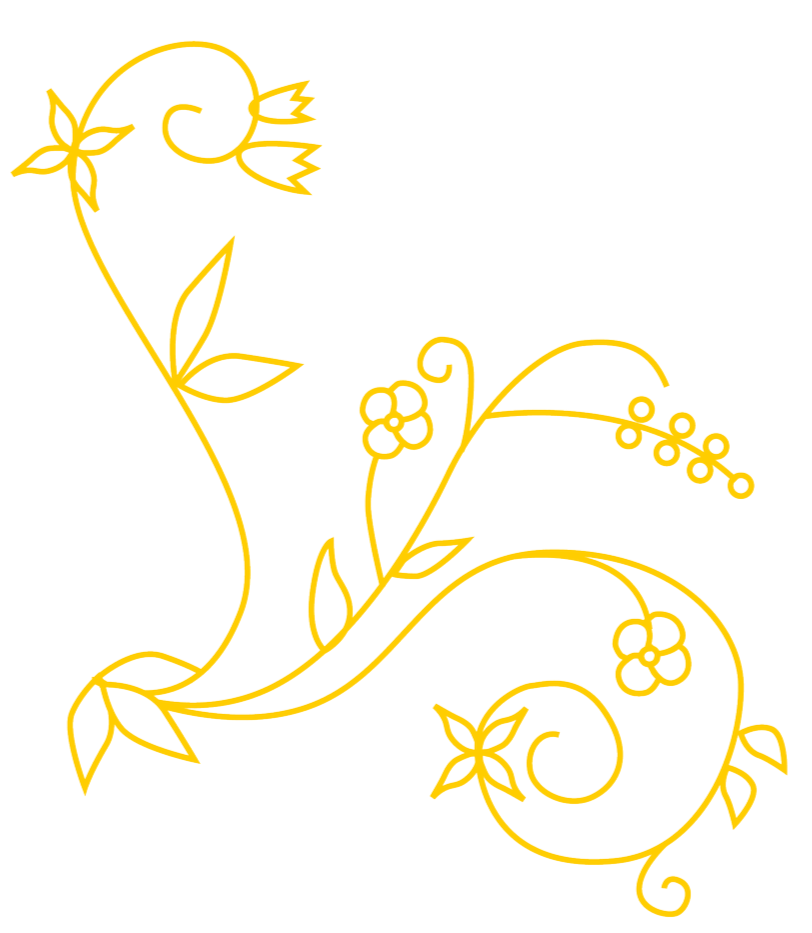
The proof shows in the numbers. In 2020, our work led to increases in voter turnout in every tribal community, from six percent in Bad River to a whopping 28 percent in Red Cliff. “The 2020 elections are turning out all kinds of new voters. But Wisconsin’s Native Vote is seeing a tidal wave of enthusiasm like never before,” said PBS Wisconsin in October of 2020.
28 percent in Red Cliff
6 percent in Bad River
18 percent in Mole Lake
24 percent in Menominee
11 percent in Stockbridge
In 2022, we had deeper partnerships with tribal governments and leaders than ever before. We engaged artists and influencers, put up billboards around the state, and had thousands of one-on-one conversations with voters. Ultimately, the work of Native Vote led to high turnout in tribal communities. In a year when overall voter turnout declined by 2.7% from 2018 in Wisconsin, turnout in Native American communities stayed steady. We saw voter turnout increases by 130 percent in Red Cliff and 75 percent in Menominee.
Our impact in numbers
During the 2024 fall election, our team reached voters across the state.
23,000
HOUSHOLDS REACHED WITH MAIL PIECES
10
FEDERALLY RECOGNIZED TRIBES WORKED WITH
4,500
DOORS KNOCKED
9
BILLBOARDS PLACED IN TRIBAL COMMUNITIES
500
PLEDGE-TO-VOTE CARDS COLLECTED
7
NATIVE ARTISTS AND INFLUENCERS WORKED WITH
16
ELECTION PROTECTION VOLUNTEERS RECRUITED
4
ADS PLACED IN TRIBAL NEWSPAPERS
Beyond the numbers
What can’t be demonstrated in numbers are the interactions we have with the people we work with and the gratitude and trust that comes across due to the years we dedicated to building those relationships.
Story spotlight: Chief Robert Buffalo casting his ballot
On Election Day, Nov. 8, 2022, Native Vote Manager Dee Sweet was working as a poll observer when she saw Chief Buffalo (Robert Buffalo, Ojibwe), the hereditary chief of the Red Cliff Band of Lake Superior Chippewa ready to cast his ballot. He was talking about his new Native Vote t-shirt to the poll worker, and how excited he was about voting after hearing a presentation Dee gave months before.
Why was this significant?
Chief Robert Buffalo is the great-great-great grandson to Kechewaishke, or the principal Chief Buffalo – the one who, at age 95, began his trip to D.C. in a birchbark canoe to have a sit-down with President Fillmore. This historic meeting was an unforgettable one for Wisconsin. That meeting led to the 1854 Treaty of La Pointe, signed by the United States and the Ojibwe (or Chippewa) people, which established reservations in Wisconsin, Minnesota, and Michigan.
What Dee witnessed was more than a man wearing our t-shirt. It was the Seventh Generation concept playing itself out. Chief Kechewaishke gave the Ojibwe people a permanent homeland. And now, generations later, Chief Robert Buffalo was casting his ballot with his future generations in mind.
Looking Forward
We will continue to work alongside our trusted partners to ensure Native voices are heard at the ballot. We will be educating voters about future elections and advocating for systemic changes to the state voting system so that voting is as easy as possible.
Wisconsin Native Vote is continuing to work on issues that represent communities – like clean water, protecting tribal sovereignty, advocating for improved voter access, and continuing to work on voter education and voter registration efforts.